Should you ride patterns at home, or will your horse start anticipating? It’s one of the most common questions I hear from riders this time of year, and my answer might surprise you.
One of the most common things I hear from riders this time of year is:
“My trainer told me not to ride patterns at home because my horse will start anticipating.”
It’s a fair concern.
And yes, horses absolutely can anticipate.
But as a mindset coach, I look at riding patterns through a slightly different lens.
Because for most riders, the biggest benefit of riding patterns has very little to do with the horse—and everything to do with the rider.
Why ride patterns at home?
Let me ask you something:
How much thought do you put into planning your rides?
For years, I can honestly say I was a very reactive rider.
I’d brush my horse, braid a mane, hop on, walk, trot, lope around… and call it a ride.
But I wasn’t intentionally planning what I wanted to accomplish.
Looking back, I sacrificed a lot of progress simply because I wasn’t riding with a plan.
How I learned to ride patterns at home
When I was growing up in 4-H, we rode patterns all the time.
Simple patterns. Figure eights. Circles. Stops. Turns. Back-ups.
Nothing fancy.
At the time I didn’t think much about it.
Now I realize those patterns were teaching something far bigger than maneuver execution.
They were teaching us how to think ahead.
Why you should ride patterns at home
One of the biggest pillars of my coaching is consistency.
Not perfection. Consistency.
When you ride a pattern, you’re executing a plan.
Instead of making decisions at the last second, you’re already thinking ahead.
Where will you ask for the lead?
Where will you make the transition?
How will you space the maneuvers?
Instead of riding randomly like a chicken with its head cut off, you’re riding with intention.
That matters.
What happens when you ride patterns at home
When I was younger, I noticed something interesting.
If I made up a pattern as I went, things usually got messy.
My horse got stiffer. They tossed their head. Everything felt rushed.
But when I planned the pattern ahead of time, everything flowed better.
It wasn’t because my horse suddenly became better trained.
It was because I became a better rider.
Patterns force you to honestly evaluate where you and your horse are today.
Maybe your circles are beautiful. Maybe your stops are solid. Maybe your extended trot looks fantastic.
But what I see over and over with riders is this:
The maneuvers aren’t usually the problem.
The transitions are.
Moving from one maneuver to the next. Planning ahead. Adjusting quickly.
That’s where many rides begin to fall apart.
Patterns expose the gaps
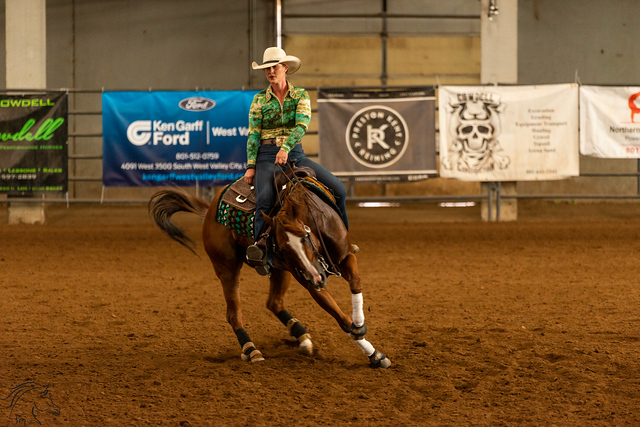
Patterns have a funny way of exposing the little holes in your training.
Maybe your horse cuts the corner on circles.
Maybe your back-up is great. Your jog-over poles are great.
But put those together with a gate and suddenly everything feels rushed.
Patterns don’t create problems.
They reveal them.
And that’s incredibly valuable.
Because once you can see the weakness, you know what to improve.
How riding patterns builds confidence
People love to say:
“Practice makes perfect.”
I disagree.
Practice makes confident.
Think about it. The first time you rode a bike… Were you confident?
The first time you drove a car… Were you confident?
The first time you rode a horse… Definitely not.
And the first time you rode a pattern? Probably not then either.
That’s normal.
When I started riding patterns, they were rough. Then they got better. And eventually they became familiar.
Confidence didn’t magically appear. It grew because I practiced.
“But my horse will anticipate…”
I hear this all the time. And yes, horses are smart.
They absolutely learn patterns.
But here’s my perspective:
The benefit you gain as the rider—learning to plan ahead, manage quick transitions, regulate your emotions, and execute under pressure—far outweighs the risk of your horse becoming a little pattern-wise.
Besides…
If you show regularly, your horse is going to recognize patterns eventually anyway.
They’re smarter than we sometimes give them credit for.
Instead of avoiding patterns altogether, focus on building solid fundamentals so your horse learns to wait for your cues—not simply guess what’s coming next.
Your homework
The next time you ride, don’t just wander around the arena.
- Pick a simple pattern.
- Ride it all the way through.
- Don’t stop after every mistake.
- Notice what your horse does.
But more importantly…
- Notice what you do.
- Where do you hesitate?
- Where do you rush?
- Where do you stop planning ahead?
I have a feeling you’ll learn something valuable.
And when you do, send me a message—I love hearing what riders discover.
Ready to feel more confident in the show pen?
If patterns expose where your confidence falls apart, you’re not alone. That’s exactly why I created 5 Days to Confident Competitor.
Inside, I’ll help you quiet the overthinking, manage show nerves, and build the kind of confidence that carries over from home to the show pen—so you can ride with a plan instead of reacting under pressure.
👉 Join 5 Days to Confident Competitor today.
Train Your Mind → Ride With Confidence
Happy Trails,
Nicole Burnett
Read Next
If pressure, overthinking, or show nerves have been getting in the way of your best rides, 5 Days to Confident Competitor is a simple place to start.
This five-day training helps you understand what happens in your brain and body when the pressure rises, so you can begin building tools to steady yourself, communicate more clearly with your horse, and ride with more confidence.
Start Building Show-Pen Confidence
I'm ready to stop show nerves →
Your horse feels what you bring into the saddle.
When pressure hits, your body, timing, focus, and confidence all affect the ride your horse gets.
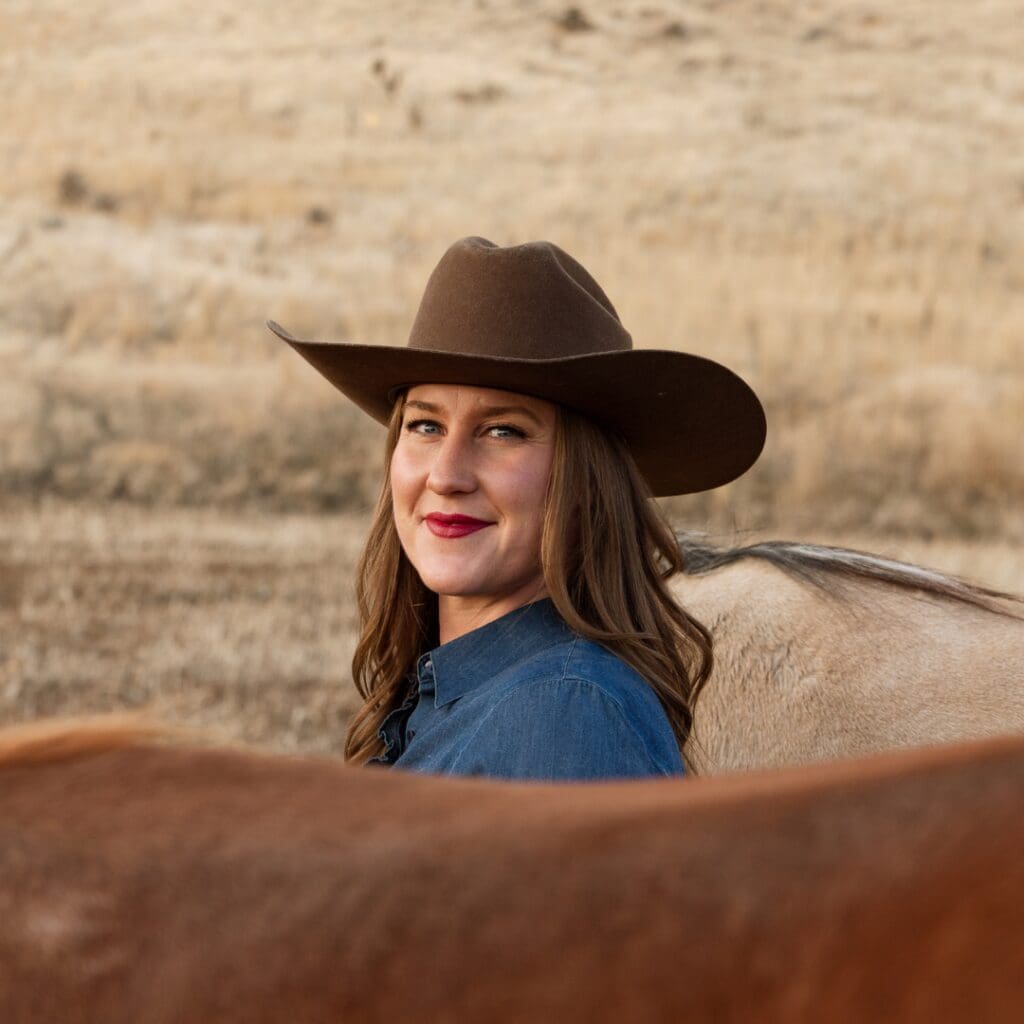
Nicole Burnett is a mental performance coach for western riders who want their mindset to match their skill, their horse, and their goals.
Through practical mindset coaching and nervous system training, Nicole helps riders stay steady, communicate more clearly, and ride more effectively — whether they’re rebuilding confidence at home, sharpening their show-pen mindset, or preparing to compete on the national stage.
Work With Nicole
Explore ways to work with Nicole →
