You can have a big riding goal, a great horse, a solid trainer, and every intention of improving—and still be the person quietly getting in your own way.
That’s the frustrating thing about self-sabotage in riding. Most of the time, it doesn’t look like deliberately giving up on your goals. It shows up in the thoughts, habits, and reactions that feel completely normal in the moment.
You blame the judge instead of looking at what you could improve. You avoid uncomfortable emotions because you’re trying to be tough. You worry about everything that might happen before you ever ride through the gate.
As a mental coach for Western riders, I see these patterns all the time. I’ve also caught plenty of them in myself.
The good news? Once you recognize what you’re doing, you have an opportunity to change it.
Here are seven ways riders unknowingly sabotage their own progress.
1. Blaming everyone else
This one is first because I believe in it wholeheartedly:
take responsibility for the parts of your life you can control.
That doesn’t mean everything that happens is your fault. Sometimes the ground really is bad. Sometimes your horse does something unexpected. Sometimes you get a score you disagree with.
But you are still responsible for what you do next.
When every disappointing run becomes the judge’s fault, the horse’s fault, the trainer’s fault, or somebody else’s fault, you give away your opportunity to learn from it.
A much more useful question is: What part of this can I own, and what can I do differently next time?
Taking responsibility isn’t about beating yourself up. It’s about giving yourself some power back.
2. Thinking you already know it all
One of the qualities I consistently see in great competitors is that they remain coachable.
They’re willing to learn. They ask questions. They consider new approaches. And they’re humble enough to recognize that getting really good at something doesn’t mean there’s nothing left to learn.
The moment you decide you already know everything you need to know, you put a ceiling on your own growth.
That applies to training horses, developing your riding skills, and working on your mental performance.
You cannot keep improving if you’ve already decided there’s nothing left for you to learn.
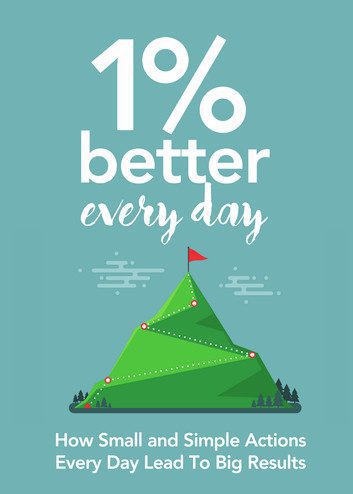
Stay curious. Be the rider who keeps looking for the little piece of information that could make you 1% better.
3. Avoiding your emotions
The horse world loves toughness. Cowgirls don’t cry, right?
You’ve got horses to feed, stalls to clean, chores to finish, and rides to get in whether you’re having a fabulous day or a terrible one.
But being mentally tough does not mean pretending you don’t have emotions.
When frustration, fear, disappointment, or anger continually gets shoved down because you think you should be stronger than that, it doesn’t necessarily disappear. It can come back as tension, anxiety, irritability, or an emotional explosion at the worst possible time.
Learning to acknowledge what you’re feeling without allowing that emotion to run the entire show is a much stronger mental skill.
You don’t have to be ashamed that something scared you or that a bad ride upset you. Feel it, process it, learn what you can from it, and move forward.
4. Numbing yourself with distractions
I’ll happily call myself out on this one too.
There’s a difference between relaxing and constantly reaching for something that keeps you from dealing with what actually needs your attention.
Maybe it’s scrolling social media. Maybe it’s binge-watching another show. Maybe it’s filling every available second with distractions because doing the uncomfortable thing feels harder.
None of those things are inherently bad. The problem starts when they repeatedly take time and energy away from something you say matters to you.
If you have a riding goal, an upcoming show, or mental skills you want to develop, make room for them deliberately. Pay attention to whether your habits are helping you recharge—or helping you avoid.
5. Being your own worst critic
Self-awareness is important. You need to be able to recognize what went wrong, identify patterns, and be honest about what needs work.
But self-awareness and self-criticism are not the same thing.
There’s a huge difference between thinking, My timing was late there. I need to work on that, and thinking, I suck. I always screw this up.
One gives you useful information. The other attacks your identity.
If your internal commentary after every ride is brutal, eventually you start believing it. That chips away at confidence and can make you more afraid to take risks, make mistakes, and learn.
Hold yourself to a high standard without making yourself the enemy.
6. Worrying about everything that could go wrong
There’s nothing wrong with preparation.
You should have a spare tire for your trailer. You should think through legitimate risks. And yes, having a plan for problems is smart.
But preparation and worry are two different things.
If you spend the hours before your class mentally rehearsing every possible disaster, you aren’t making those things less likely. You’re exhausting yourself before you even ride through the gate.
And once you’re in the arena, worrying about what might happen takes your attention away from what is happening.
When your mind starts racing ahead, bring yourself back to the present: your horse, your body, your breath, and the next thing you actually need to ride.
7. Expecting success without doing the work
We all want the breakthrough. The buckle. The score. The run where everything finally comes together.
But success in the saddle still requires work.
Technical skills take practice. Horses take time to develop. Mental performance takes training. And becoming a better competitor means continuing to learn even when progress feels slower than you expected.
It’s worth checking whether a tiny bit of entitlement has snuck into your thinking: I’ve worked hard, so why am I not winning yet?
Working hard matters. It doesn’t guarantee that success arrives according to your preferred timeline.
You can want big results while respecting the work required to earn them.
How to stop self-sabotage in your riding
If you recognize yourself in several of these, don’t turn that into another reason to criticize yourself. Awareness is the useful part.
Start by noticing which pattern shows up most often:
- Blaming others instead of looking for what you can control
- Acting like there’s nothing left to learn
- Avoiding uncomfortable emotions
- Numbing yourself with distractions
- Turning useful self-reflection into harsh self-criticism
- Worrying about things that haven’t happened
- Expecting the result without respecting the process
Then pick one to work on.
You don’t need to completely overhaul yourself as a rider by tomorrow. Catch the pattern when it happens and practice choosing a different response.
Because sometimes the biggest thing standing between you and your next level isn’t another lesson, a better horse, or more hours in the saddle.
It’s learning how to stop fighting yourself along the way.
Ready to get out of your own way at horse shows?
If nerves, overthinking, self-doubt, or your own thoughts keep interfering with the rider you know you can be, 5 Days to Confident Competitor is a great place to start.
Over five days, you’ll begin developing the mental skills that help you stay steadier under pressure, trust yourself more, and recover when something doesn’t go according to plan.
Join 5 Days to Confident Competitor →
Happy Trails!
Nicole Burnett
Mental Coach & Founder, Resilient Reiner
Read Next
If It’s Worth Doing, It’s Worth Doing Right: Helpful Advice or Harmful Myth?
If pressure, overthinking, or show nerves have been getting in the way of your best rides, 5 Days to Confident Competitor is a simple place to start.
This five-day training helps you understand what happens in your brain and body when the pressure rises, so you can begin building tools to steady yourself, communicate more clearly with your horse, and ride with more confidence.
Start Building Show-Pen Confidence
I'm ready to stop show nerves →
Your horse feels what you bring into the saddle.
When pressure hits, your body, timing, focus, and confidence all affect the ride your horse gets.
Nicole Burnett is a mental performance coach for western riders who want their mindset to match their skill, their horse, and their goals.
Through practical mindset coaching and nervous system training, Nicole helps riders stay steady, communicate more clearly, and ride more effectively — whether they’re rebuilding confidence at home, sharpening their show-pen mindset, or preparing to compete on the national stage.
Work With Nicole
Explore ways to work with Nicole →
