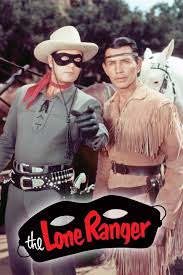
Even The Lone Ranger Didn’t Ride Alone: Busting The Toxic Myth About Going Solo For Mental Toughness
10/20/23
Mental toughness is not about doing everything alone.
I know that idea is deeply ingrained in the horse world. We admire the cowboy who figures things out, gets the job done, and doesn’t need anyone holding their hand. And because riding itself can feel so individual—just you and your horse in the arena—it’s easy to believe mental toughness should work the same way.
But being independent and being mentally tough are not the same thing.
You still have to do the work. Nobody can ride your horse, manage your emotions, or build your confidence for you. But that doesn’t mean you have to figure everything out by yourself.
Nobody really does the horse thing alone
Think about how many people already contribute to your riding. You might have a trainer, vet, farrier, bodyworker, family, friends, or mentors.
If your horse is lame, you call the vet. If you’re struggling with a maneuver, you ask your trainer. Yet when the problem is fear, confidence, pressure, or self-doubt, riders suddenly start thinking, I should be able to handle this myself.
Why?
Mental performance is another part of your riding. Getting support with it doesn’t make you less capable.
Mental toughness isn’t proving you can handle everything alone. It’s knowing what you need to keep moving forward.
Sometimes you need support before you need a solution
Imagine you just had a terrible run. You’re frustrated, embarrassed, and already replaying everything you did wrong.
Sometimes you need technical feedback. Other times, you first need someone to say, “Yep. That was hard. I can see why you’re disappointed.”
There’s a difference between emotional support and problem-solving, and both have value. Sometimes you need a minute to process what happened before your brain is ready to ask, Okay, what can I learn from this?
The right support can help you get there faster instead of spending three days beating yourself up over one ride.
Mental toughness is not pretending you aren’t afraid
I worked with a rider who had been around horses for decades, but her anxiety eventually became so intense that she stopped riding. Then she stopped going out to see her horse altogether.
Part of what kept her stuck was believing she shouldn’t be afraid. She thought someone with her experience should be able to get over it.
When she finally reached out for support, we started small. During that first month, she progressed from not going to the barn to grooming her horse, saddling her, and eventually lying across the saddle.
To another rider, those steps might look tiny. For her, they were enormous.
Her mental toughness wasn’t demonstrated by pretending the fear didn’t exist. It was demonstrated by facing where she actually was, accepting support, and continuing to move forward.
Build your riding posse
Not everybody needs to provide the same kind of support. Your trainer might help with technical skills. Fellow riders understand the strange realities of horse life. Friends and family can give you perspective and encouragement. A mental performance coach can help you work specifically on confidence, resilience, fear, focus, and pressure.
I like to think of these people as your riding posse.
And sometimes that posse gives you something incredibly valuable: perspective.
Your horse starts struggling with something and suddenly your brain is going, What did I do wrong? Did I screw this up? Why can everyone else figure this out except me?
Then another rider says, “Oh yeah, mine went through that too.”
Suddenly it isn’t a catastrophe or proof that you’re a terrible rider. It’s a horse problem that needs solving.
That little bit of perspective can keep a setback from becoming an identity crisis.
Good support should make you more capable
There is an important distinction here: support shouldn’t make you dependent.
The right people don’t constantly tell you what you want to hear or convince you that you can’t handle anything without them. They help you become more capable.
Sometimes support sounds like, “You’re being way too hard on yourself.” Other times it sounds like, “You could have handled that better. Let’s figure out what to do differently.”
Both can help you grow.
Your trainer can teach you, but you still have to ride. Your friend can encourage you, but you still have to walk through the gate. Your coach can give you mental tools, but you still have to practice them.
Your riding posse can stand beside you, but you still have to take the reins.
You don’t get extra points for struggling alone
The strongest riders aren’t necessarily the ones who pretend they have everything figured out. They ask questions. They stay coachable. They surround themselves with knowledgeable people. They accept support when they need it and offer it to other riders when they can.
None of that takes away from personal responsibility.
Mental toughness is still about resilience, confidence, persistence, and learning how to keep moving when things get hard.
You just don’t have to prove how tough you are by making the journey harder than it needs to be.
Build more confidence when the pressure is on
If you’re tired of feeling like you should already know how to handle every nerve, setback, or pressure-filled moment, 5 Days to Confident Competitor will help you start strengthening the mental skills you need to stay steadier, trust yourself, and recover faster when things don’t go according to plan.
Because mental toughness isn’t about struggling alone.
It’s about knowing how to keep going.
Join 5 Days to Confident Competitor →
Happy Trails,
Nicole Burnett
Mental Coach & Founder, Resilient Reiner
Read Next
To Reach Your Potential as a Rider, You Need More Than Talent
If pressure, overthinking, or show nerves have been getting in the way of your best rides, 5 Days to Confident Competitor is a simple place to start.
This five-day training helps you understand what happens in your brain and body when the pressure rises, so you can begin building tools to steady yourself, communicate more clearly with your horse, and ride with more confidence.
Start Building Show-Pen Confidence
I'm ready to stop show nerves →
Your horse feels what you bring into the saddle.
When pressure hits, your body, timing, focus, and confidence all affect the ride your horse gets.
Nicole Burnett is a mental performance coach for western riders who want their mindset to match their skill, their horse, and their goals.
Through practical mindset coaching and nervous system training, Nicole helps riders stay steady, communicate more clearly, and ride more effectively — whether they’re rebuilding confidence at home, sharpening their show-pen mindset, or preparing to compete on the national stage.
Work With Nicole
Explore ways to work with Nicole →
